
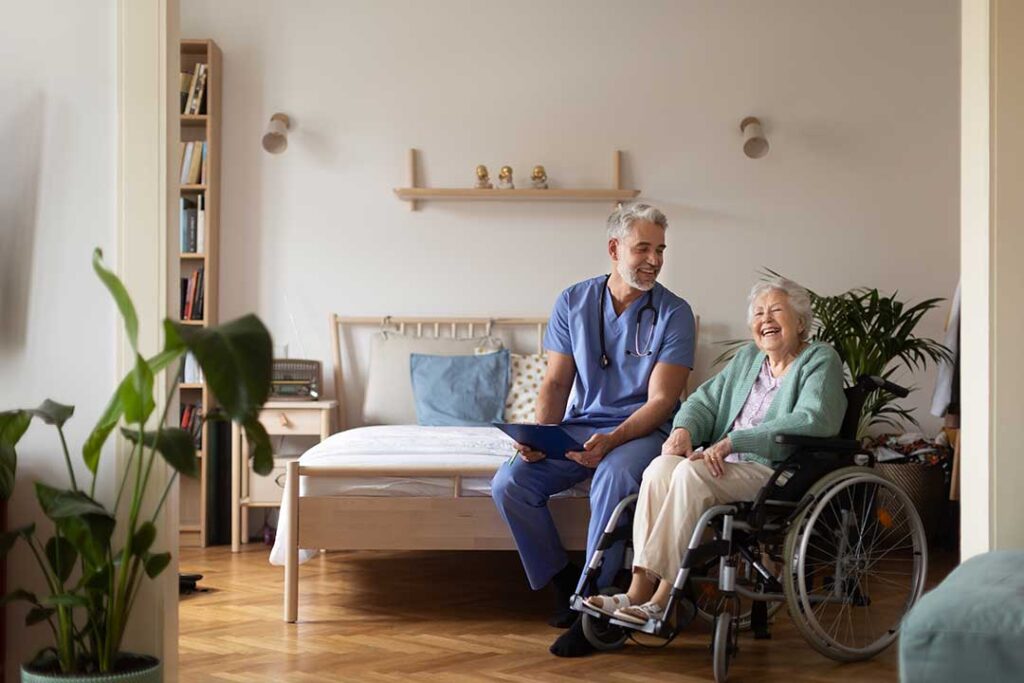
What Are the Foundations of Healthy Aging in Assisted Living?
Healthy aging in assisted living is a combination of daily routines, supportive environments, and informed choices. Residents of Forest Hills, PA, can benefit from habits and community resources that support physical, mental, and social well-being while adapting to seasonal changes and local conditions.
Key areas of focus for healthy aging often include:
- Staying physically active with accessible movement
- Choosing nutritious, enjoyable foods
- Nurturing mental sharpness and emotional well-being
- Prioritizing safety and preventing injury
- Engaging meaningfully with the community
How Can Residents Safely Stay Physically Active?
Low-impact exercise is typically recommended in assisted living settings, as it supports mobility, heart health, and independence. In Forest Hills, weather and seasonal changes can influence activity routines, especially during icy winters or humid summer days.
Ways to stay safely active:
- Indoor walking routes or hallways for days with poor weather
- Chair exercises and gentle stretching in common rooms
- Group fitness classes designed for various mobility levels
- Light balance activities to help reduce fall risks
Misconception: Physical activity only counts if it’s strenuous. In reality, consistent gentle movement often matters most for strength, balance, and overall wellness.
What Nutrition Choices Best Support Healthy Aging?
Balanced, nutrient-dense meals are essential for supporting both energy and long-term health. Residents frequently ask if their specific dietary needs can be respected in assisted living environments—usually, accommodations are available for common conditions like diabetes, hypertension, or food allergies.
Tips for practical meal choices:
- Include fruits and vegetables at most meals, using seasonal produce when possible
- Choose whole grains and lean proteins
- Stay hydrated—dehydration risks rise in heated buildings during local winters
- Limit sugary snacks and processed foods
Occasional treats are fine, but maintaining a routine with healthy options helps manage energy, stable mood, and chronic conditions common in aging.
How Can Mental Health and Emotional Well-Being Be Maintained?
Social connection, intellectual activity, and stress management all play roles in mental and emotional wellness for older adults. Isolation is a risk, especially during seasons when outdoor activities are limited in the city.
Residents can support their mental health by:
- Attending regular group activities or discussion clubs
- Keeping up with hobbies such as reading, arts, or puzzles
- Using technology—such as video calls—to connect with family during times when travel is difficult
- Seeking support from peers or counseling services if feeling persistently low or anxious
A common misconception is that memory loss or depression is a normal, unavoidable part of aging; many emotional challenges and mild cognitive changes can benefit from early attention and social engagement.
How Does the Local Environment Impact Healthy Aging Habits?
Assisted living residents in Forest Hills experience four distinct seasons, which influence daily routines and safety considerations. Humidity, snow, and changing daylight can affect everything from sleep patterns to joint pain.
Key strategies to adapt wellness routines:
- Use well-lit, indoor common areas for walking during early sunset or winter storms
- Monitor for shifting sleep routines due to earlier darkness or bright morning sun
- Have proper footwear and mobility aids to navigate snowy, potentially slippery outdoor paths
- Take advantage of community events timed to local festivals or holidays

Residents should also be mindful of heating and cooling in living spaces, as older adults are more sensitive to temperature extremes.
What Practical Steps Help Prevent Injury and Support Independence?
Injury prevention supports long-term independence—minor accidents like falls are among the most common preventable concerns for older adults in local assisted living settings.
Practical steps include:
- Keeping walkways clear of clutter, cords, or loose rugs
- Checking that handrails, grab bars, and proper lighting are in place throughout hallways and bathrooms
- Reporting maintenance issues quickly—such as malfunctioning lights or wet floors
- Choosing shoes that fit well and have non-slip soles
- Reviewing medications with healthcare staff to reduce dizziness or drowsiness
Residents should feel empowered to ask questions about any building features or routines that could impact their safety.
What Community and Social Activities Are Beneficial?
Active participation in meaningful activities builds a sense of purpose and community, which research increasingly links with better health outcomes for aging adults.
Beneficial activities often include:
- Group games or trivia in shared spaces
- Local music events, seasonal celebrations, or crafts
- Opportunities to volunteer or help others, even in small ways around the community
- Outdoor picnics or gentle garden walks when the weather allows
Many residents find greater satisfaction when they help plan or suggest activities that reflect their interests and backgrounds.
What Are Common Misconceptions About Healthy Aging in Assisted Living?
Many assume that moving to assisted living means losing independence or control over routines. In reality, the most supportive communities encourage autonomy, provide choices, and respect unique health needs.
Misconceptions to be aware of:
- All residents require the same level of help—needs and routines vary widely
- It’s too late to start healthy habits—small changes at any age can support well-being
- Social life is limited—new connections often form through shared experiences in the community
Residents can advocate for choices regarding food, movement, and daily routines that suit their lifestyle and preferences.
