
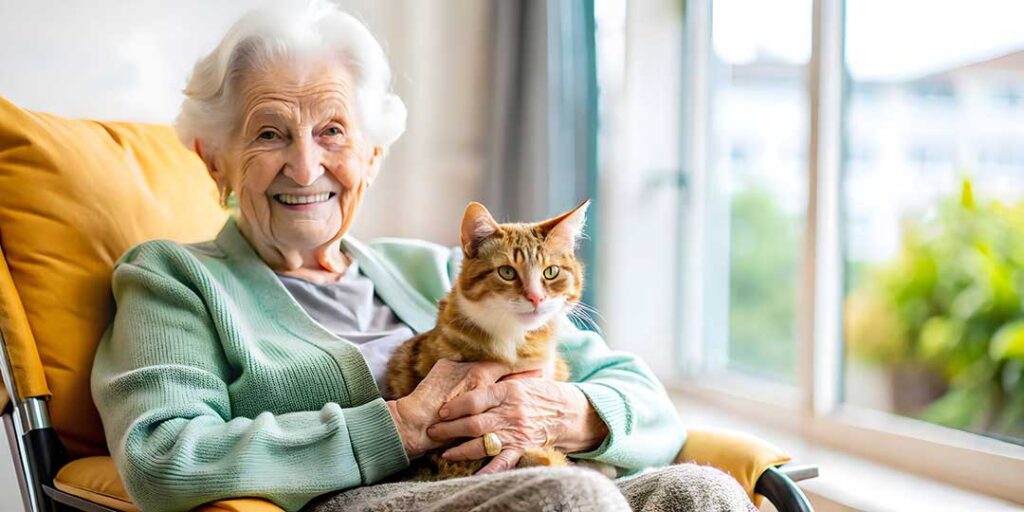
Adapting to change can be challenging at any age, but for seniors, the transitions that come with aging can be particularly profound. Whether it’s moving to a new living arrangement, saying goodbye to lifelong friends, or adapting to changes in health, seniors face unique hurdles. In a close-knit community like Forest Hills, Pennsylvania—where people cherish familiar faces at the local Giant Eagle or look forward to community picnics at Forest Hills Park—navigating these changes is both a personal and shared journey.
Understanding the Emotional Impact of Change
Change is rarely easy, especially when it’s involuntary. For seniors, changes may include retirement, the loss of a spouse, downsizing homes, or transitioning to an assisted living community. These transitions often trigger feelings of grief, anxiety, and uncertainty. Loved ones and caregivers can play a pivotal role by acknowledging these emotions and offering reassurance.
- Listen actively when a senior expresses concerns.
- Validate their feelings rather than minimizing their worries.
- Encourage the sharing of memories and maintain traditions whenever possible.
In Forest Hills, neighbors and faith leaders can boost morale by checking in and providing a sense of continued belonging, helping seniors realize their value in a community that values them in return.
The Role of Community: The Forest Hills Advantage
One of the biggest assets in helping seniors cope with change in Forest Hills is the community itself. Known for its warm and welcoming environment, this Pittsburgh suburb offers a familiar pace and friendly atmosphere that many seniors cherish. Local senior centers, houses of worship, and community events create wonderful opportunities for connection.
Consider these options for maintaining community ties:
- Attend weekly social luncheons at the Forest Hills Senior Center.
- Participate in events at the Forest Hills Volunteer Fire Company or local churches.
- Walk through the neighborhood, taking in the changing seasons at Ardmore Boulevard while greeting friendly faces.
Maintaining such connections not only combats loneliness but also grounds seniors during periods of transition.
Practical Tips: Helping Seniors Adjust to New Environments
When a senior must move, such as to an assisted living facility, the change can feel overwhelming. Loved ones and caregivers can ease this process with thoughtful steps:
- Visit the new location together before moving day, familiarizing yourself with its amenities.
- Arrange the new living space with cherished items—family photos, a favorite quilt, or familiar décor from their Forest Hills home.
- Maintain old routines as much as possible, like setting a daily coffee hour or enjoying a regular stroll.
- Encourage involvement in resident activities to foster new friendships.
Forest Hills’ proximity to Pittsburgh also means a variety of cultural and recreational options remain accessible, making outings a source of anticipation rather than stress.
Communication: The Heart of Support
Clear and compassionate communication makes transitions easier. When discussing a big change with a senior, approach conversations with:
- Empathy: Put yourself in their shoes and acknowledge how tough the transition might be.
- Honesty: While optimism is important, avoid glossing over the hard parts.
- Consistent updates: If a move or change is happening in stages, provide regular information to minimize surprises.
Family meetings, especially including siblings or other loved ones who might not live in Forest Hills, ensure everyone is informed and on the same page. This united front brings emotional strength and practical support.
Leveraging Local Resources in Forest Hills
Forest Hills boasts several resources specifically designed for older residents:
- The Forest Hills Senior Center provides exercise classes, educational workshops, and group outings, which can help seniors retain a sense of purpose and joy.
- Allegheny County programs offer meal delivery and transportation services, ensuring independence remains possible even after transitions.
- Local health services and therapists specializing in geriatric care can ease emotional strain, particularly for those facing grief, anxiety, or depression.

Encourage seniors and their families to consult local directories or community websites for up-to-date information about available resources.
Encouraging Active Participation in Decision-Making
Empowering seniors to participate in decisions about their lives can greatly ease the stress of change. Whenever possible:
- Involve them in choices around new living arrangements and care options.
- Let them decide how to organize their new space or which activities to pursue.
- Encourage autonomy in daily routines that are familiar or important to them, such as gardening or attending a local book club.
This respect for independence fosters dignity and belonging.
Cherishing and Creating Meaningful Connections
Maintaining intergenerational connections is vital. Neighbors of all ages in Forest Hills can reach out:
- Invite seniors to community events, family dinners, or holiday gatherings.
- Young people can volunteer to assist with chores, gardening, or even digital tasks like setting up online video calls with distant relatives.
Such bridges between generations create a web of support and warmth.
Encouraging Purposeful New Beginnings
While change brings loss, it also brings opportunity. Encouraging seniors to take up a new hobby, volunteer, or learn something new can infuse life with purpose.
- Join a crafting session at the Forest Hills Senior Center.
- Explore gardening or nature clubs — local parks often offer classes.
- Participate in local history or storytelling groups to share personal stories of Forest Hills’ past.
Seeing transition not as an end, but a beginning, helps cultivate hope.
Conclusion: Navigating Change Together
Helping seniors cope with change, particularly in a supportive community like Forest Hills, is about much more than managing logistics. It’s about fostering emotional resilience, supporting autonomy, and maintaining strong communal ties. When local families, neighbors, and professionals work together, they ensure that seniors don’t merely endure change—they continue to thrive and find joy in every new chapter of life.
